
This piece is the complete Chapter 11 of Calcium: The Reality of Evolution That Darwin and the Genome Map Missed (Yoon Jong-won). The body, figures, and citations follow the manuscript as written, and the subheadings are the subheadings found within the original.
Introduction: The Milestones of the History of Science
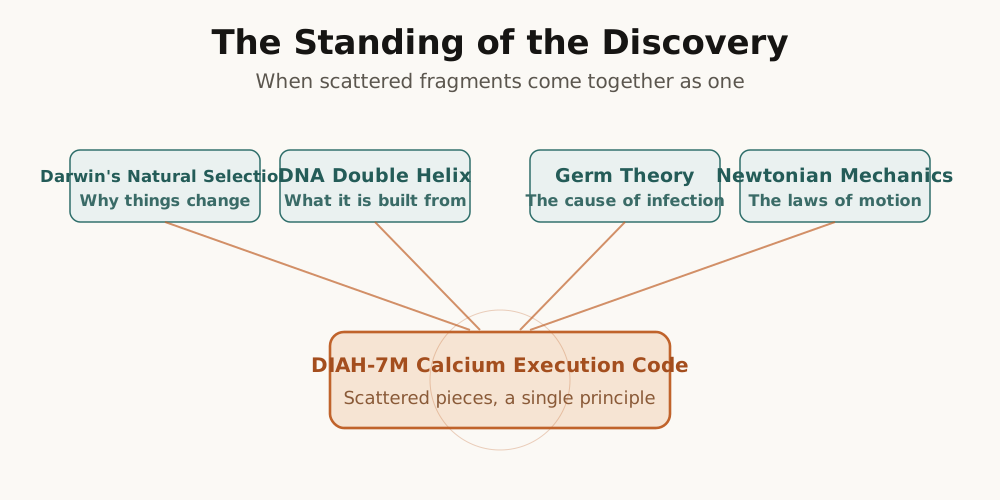
In the history of science there are discoveries that fundamentally changed humanity's worldview. Newton's universal gravitation showed that the phenomenon of an apple falling and the phenomenon of planets orbiting could be explained by the same principle; Darwin's natural selection revealed that the diversity of life is the product of a natural process rather than a divine creation; the germ theory of Pasteur and Koch proved that the cause of disease is invisible microorganisms; and Watson and Crick's discovery of the structure of DNA revealed how genetic information is stored and transmitted at the molecular level. These discoveries did not merely inform us of new facts; they transformed the very way we look at the world.
In this chapter I want to examine what position the concept of the calcium execution code can hold in the history of science. This is a cautious undertaking in that it is a self-assessment, but it is at the same time a necessary one in order to make clear what this book proposes. The calcium execution code did not discover an entirely new fact. That calcium is important in cellular signal transmission, that calcium leaks out of the bones and accumulates in the blood vessels, that a calcium wave activates the fertilized egg: all of these facts had already been uncovered by researchers in their respective fields.
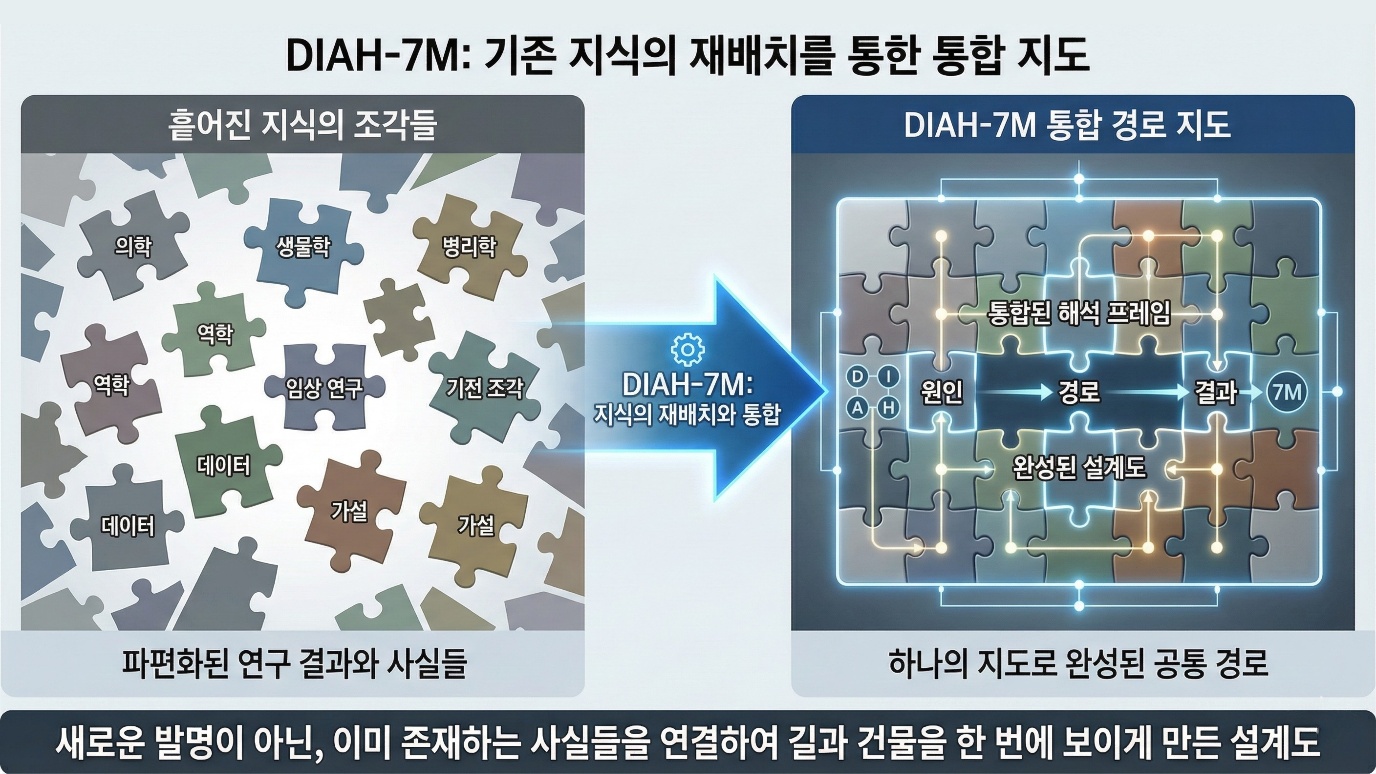
What the calcium execution code attempts is to connect these scattered fragments into a single picture, to present an integrated interpretive frame that runs through, along the single axis of calcium, from the birth of life to death, from the cell to the Earth.
The Revealing of the Natural Order
If we summarize in a single sentence the natural order that the calcium execution code reveals, it is this. Calcium is the mediator and the execution code of natural cycle and evolution. This sentence holds two core claims. First, calcium is the mediator of the cycle. At the level of the human body it cycles among bone and blood and cell, and at the level of the Earth it cycles among rock and river and sea and living things. Second, calcium is the execution code. In the process by which the design information held in DNA is translated into a living body, the calcium signal determines "when, where, and how much" a gene will be expressed.
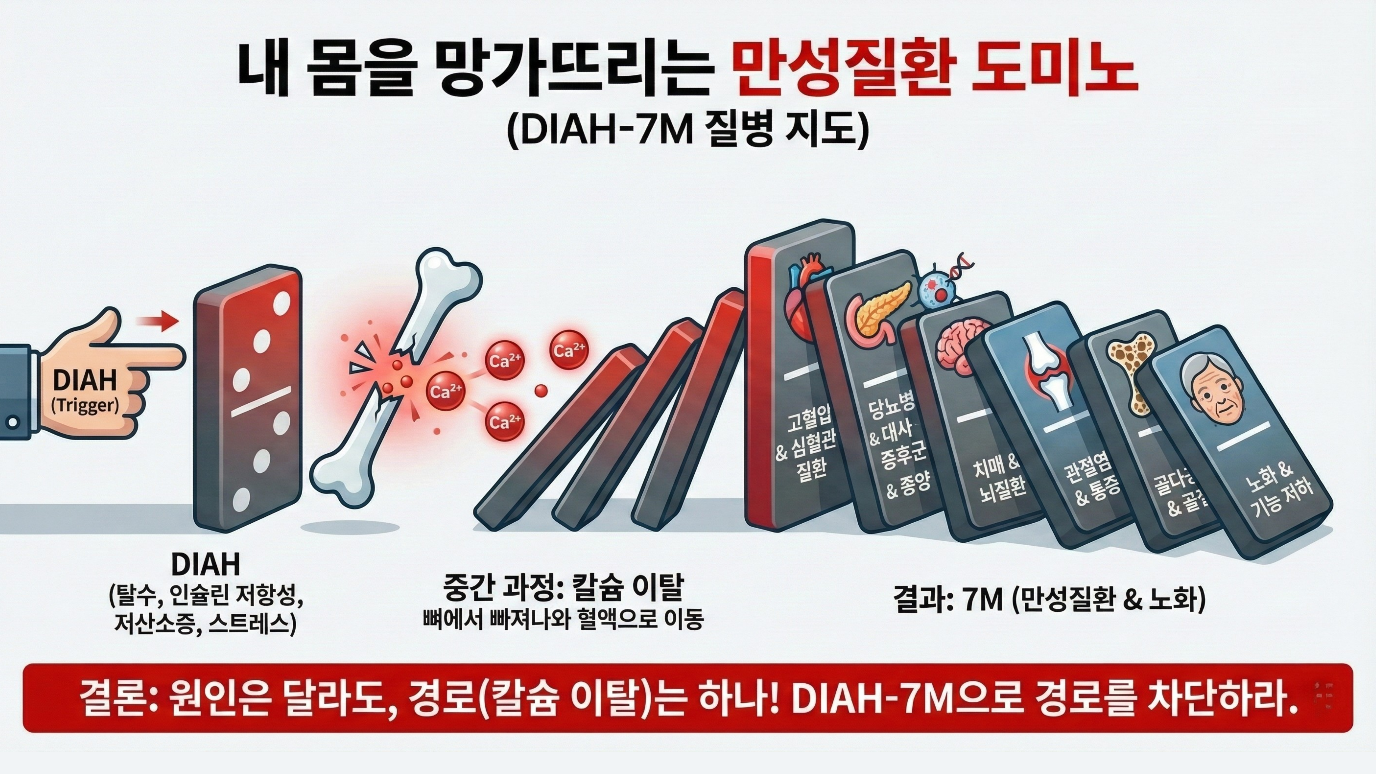
Seen from this viewpoint, the entire life cycle is read as a flow of calcium. Birth begins with a calcium wave. The moment the sperm enters the egg a calcium wave arises, and this wave announces the start of development. Growth is the accumulation of calcium. As bone grows, calcium piles up, and the calcium signal coordinates cell division and differentiation. Aging is the redistribution of calcium. When the DIAH conditions, that is, deficiency and inflammation, acidosis and hypoxia, persist chronically, calcium leaks out of the bones and accumulates in the blood vessels and soft tissues. Disease is the result of this redistribution. Through the 7M pathways, that is, obstruction and rupture, dysfunction, coating and blocking, hardening, overflow and burst, disconnection, and collapse, various chronic diseases arise. Death is the collapse of calcium balance. When the intracellular calcium concentration goes out of control the cell dies, and when the calcium cycle of the heart stops, life ends. And return is the natural homecoming of calcium. The calcium of the skeletal remains goes back to soil and sea and becomes the material of the next life.
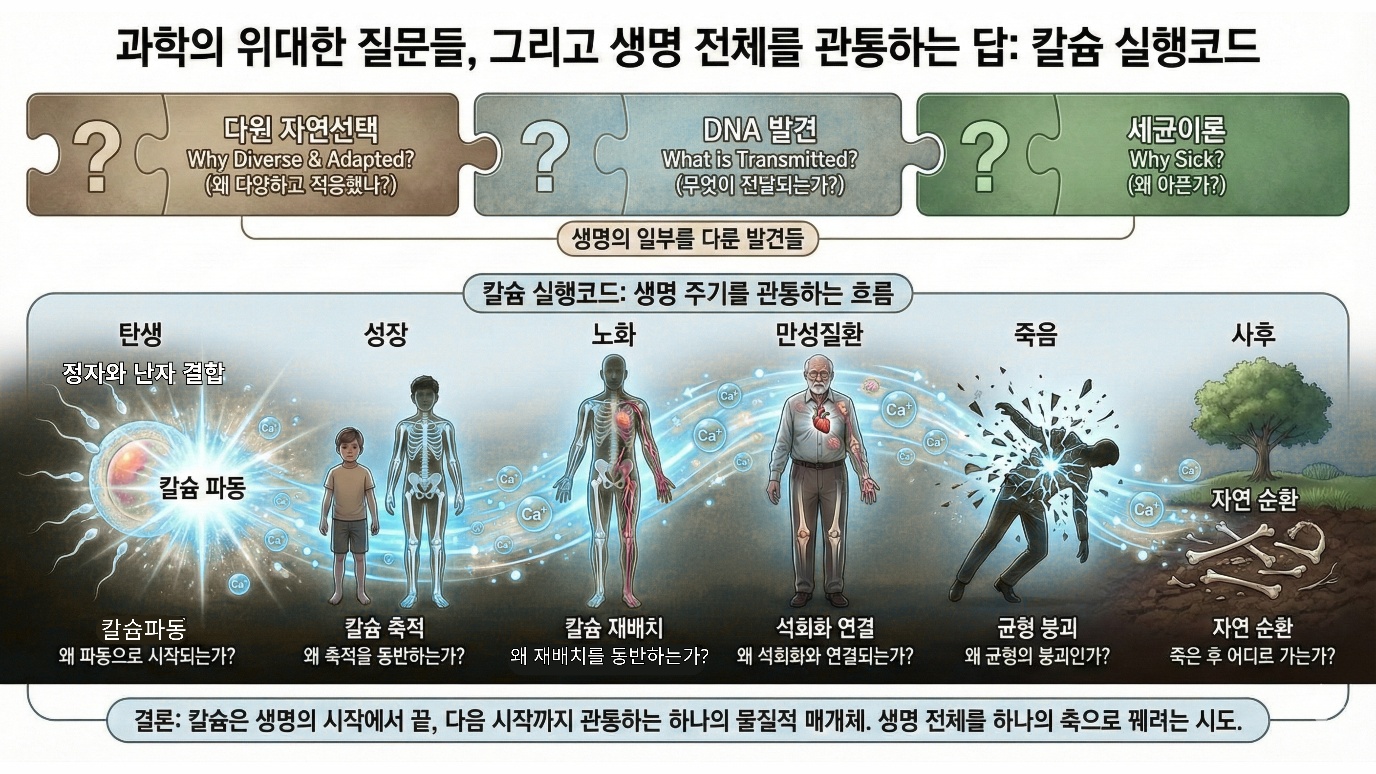
This is not abstract philosophy. What role calcium plays at each stage from birth to return consists of facts already verified in each field, in reproductive biology, developmental biology, endocrinology, pathology, clinical medicine, ecology, and so on. What the calcium execution code does is to connect these verified facts on the single timeline of the life cycle, to compress them into the concept of DIAH-7M, and to present them as a single integrated interpretive frame.
The Concreteness of DIAH-7M
DIAH-7M, one of the core concepts of the calcium execution code, is not an abstract theory but presents concrete pathways. DIAH stands for the four triggering factors of deficiency, inflammation, acidosis, and hypoxia, and 7M stands for the seven pathological pathways that appear after these triggering factors cause calcium mobilization.
Looking at each element of DIAH, deficiency means a shortage of essential nutrients such as calcium, vitamin D, and magnesium. When blood calcium is deficient, parathyroid hormone is secreted and draws calcium out of the bones for use. Inflammation means a chronic inflammatory state. Inflammatory cytokines activate osteoclasts and promote bone resorption.
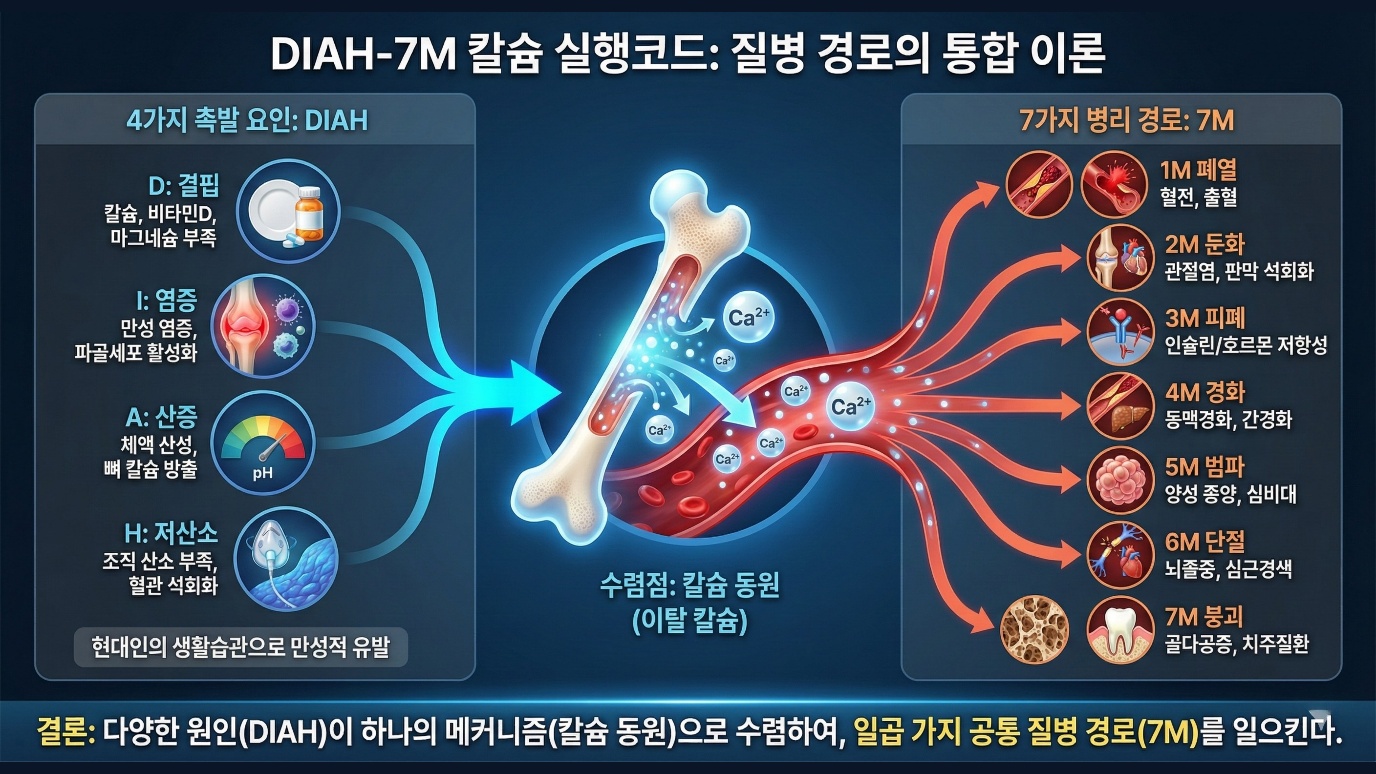
Acidosis means a state in which the body fluids lean toward acidity. In an acidic environment the bone acts as a buffer and releases calcium. Hypoxia means a state in which the supply of oxygen to the tissues is insufficient. A hypoxic state promotes vascular calcification and bone loss. According to several clinical medicine research institutions, these four conditions are in many cases chronically induced by the lifestyle of modern people, that is, nutritional imbalance, chronic stress, processed food intake, lack of exercise, environmental pollution, and so on.
The 7M pathways mean the seven pathological changes that the calcium mobilized by DIAH causes within the body. 1M Obstruction & Rupture is the inner cavity being blocked or bursting, and a thrombus that blocks a blood vessel or a hemorrhage that bursts one falls under this. 2M Dysfunction is the decline of function in joints, muscles, valves, and so on, and arthritis or valvular calcification falls under this. 3M Coating & Blocking is the blocking of receptors or signal transmission, and insulin resistance or hormonal resistance falls under this. 4M Hardening is tissue becoming fibrotic or calcified and losing its elasticity, and arteriosclerosis or cirrhosis of the liver falls under this. 5M Overflow & Burst is cells proliferating excessively or becoming enlarged, and a benign tumor or cardiac hypertrophy falls under this. 6M Disconnection is nerves being cut or blood vessels being occluded so that tissue becomes necrotic, and stroke or myocardial infarction falls under this. 7M Collapse is structures such as bone or teeth crumbling, and osteoporosis or periodontal disease falls under this.
According to several clinical medicine and pathology research institutions, these seven pathways have each been studied independently, and the role of calcium in each pathway has already been uncovered to a considerable degree. What the calcium execution code proposes is that these pathways are connected to one another and start from a common upstream cause, that is, calcium mobilization by DIAH. That the causes are various but the pathways converge, and that the point of convergence is DIAH-7M-calcium, is the core claim.
Comparison with Darwin's Natural Selection
Now let us compare the calcium execution code with the major discoveries of the history of science. First is Darwin's natural selection, which we examined above.
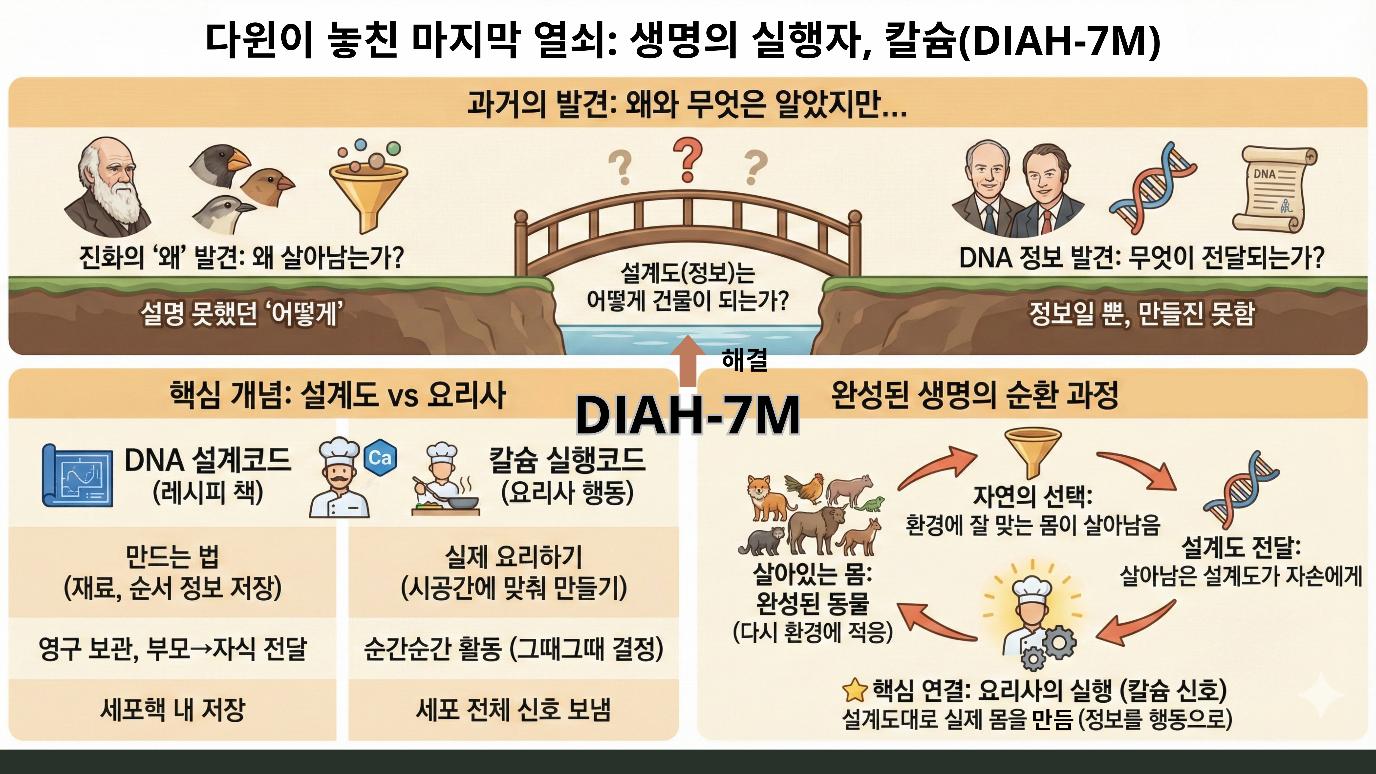
What Darwin discovered was the answer to why living things change. The individual better adapted to its environment survives and leaves more offspring, and as that process accumulates the species changes. This principle provided an integrated frame that explains the diversity and adaptation of life, and it became the central principle that binds the whole of biology into one.
What Darwin could not explain was by what the change is executed. We understand that a giraffe's neck growing longer is advantageous, but out of what material and through what process is that long neck made? In Darwin's time neither the material basis of heredity nor the mechanism of development was known.
What the calcium execution code adds is the material mediator of evolution. If we think again about the four gateways of evolution examined in Chapters 1 through 4, calcium played a decisive role at each gateway.
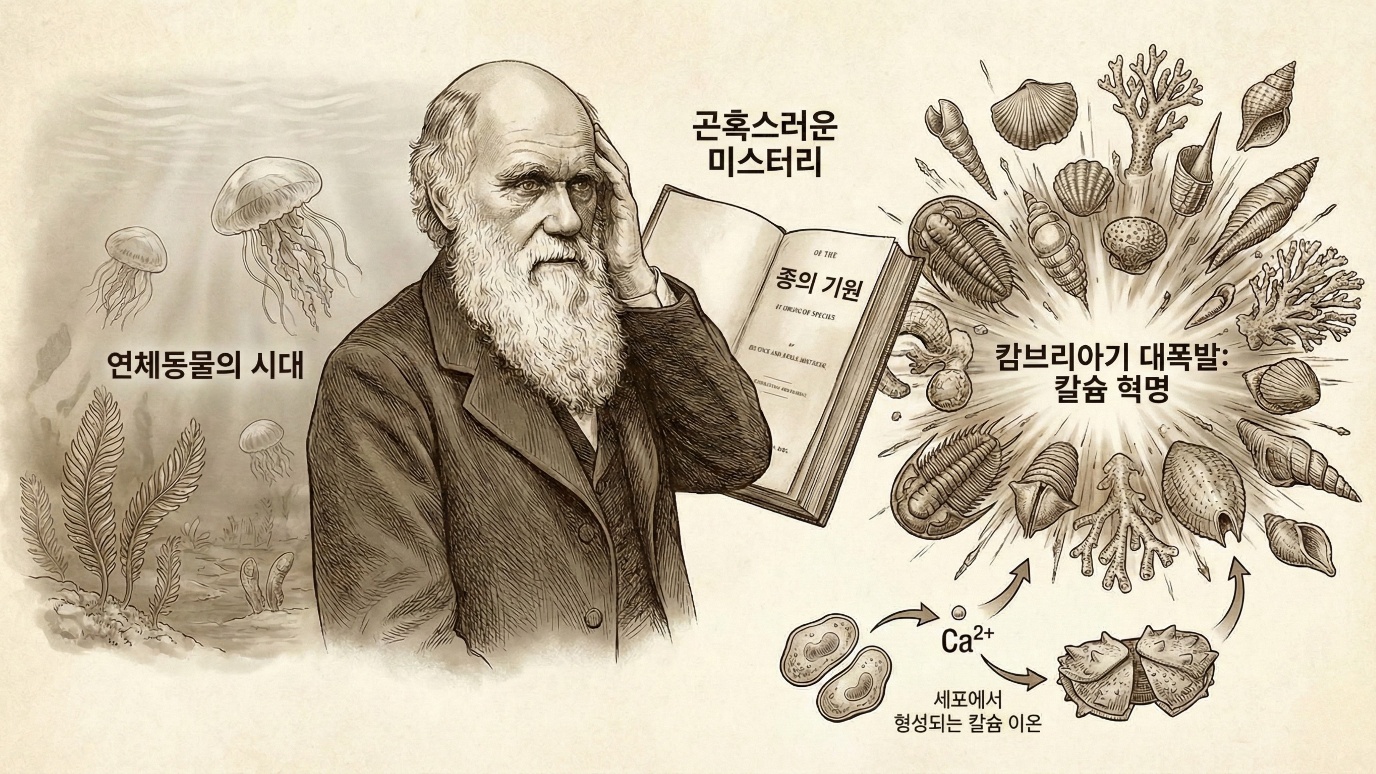
The first cell creating a difference in calcium concentration inside and outside the cell and thereby laying the foundation of a signaling system, animals in the Cambrian explosion making calcium-based shells and bones and thereby pioneering new forms and ecological niches, life that had come up onto land evolving a hormonal system that manages calcium in a calcium-poor environment, calcium-based synaptic transmission becoming refined as the higher brain developed: at all of these turning points, the ability to handle calcium was a core element of fitness.
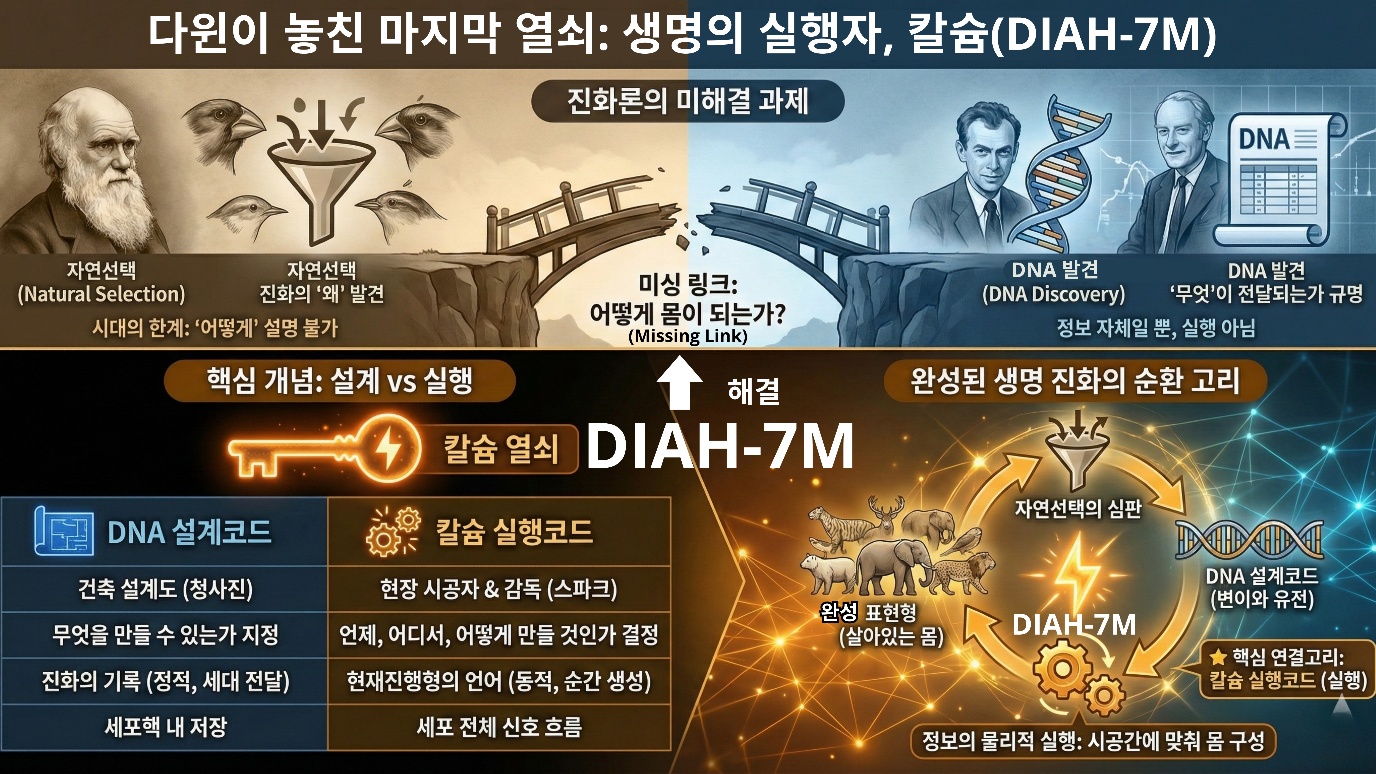
The relationship between Darwin and the calcium execution code is not negation but complementation. The natural selection that Darwin discovered is the principle of evolution, and the calcium execution code is the material basis on which that principle operates. If natural selection explains "what is selected," the calcium execution code explains "out of what the selected trait is made." The two are explanations at different levels, and when they are together a more complete understanding of evolution becomes possible.
Comparison with the Discovery of DNA
In 1953 Watson and Crick's discovery of the double-helix structure of DNA revealed where and how genetic information is stored. It was that the DNA sequence, made of combinations of the four letters ATGC, holds genetic information, and that this information is replicated and transmitted to the next generation. This discovery brought a revolution to biology and opened the age of genetic engineering and biotechnology.
What the discovery of DNA could not fully explain was how information becomes a living body. We understand that DNA holds information about which proteins can be made, but how does a cell with the same DNA become a brain cell in one case and a heart cell in another?
Just as having a score does not by itself make music, having DNA does not by itself make life. A conductor and performers are needed to turn the score into music.
What the calcium execution code adds is an explanation of how the DNA design code is executed. The calcium signal determines "when, where, and how much" a gene will be expressed. When cells with the same DNA experience different calcium signal patterns, different genes are expressed and they become different cells. If the DNA design code is the score, the calcium execution code is the conductor.
The relationship between the DNA design code and the calcium execution code is mutually dependent. Without DNA, calcium channels, calcium pumps, and calcium-binding proteins are not made, so the calcium execution code itself cannot operate. Conversely, without the calcium signal the information held in DNA is not properly expressed, so DNA produces nothing. The two need each other, and only when they are together do they become life.
Between the two codes there is also an important difference. The DNA design code is transmitted across generations. From parent to offspring, over billions of years, the record of evolution accumulates. By contrast, the calcium execution code is generated moment by moment.
It is not transmitted across generations; rather, the calcium signal is made in response to the environment the cell faces at this very moment, and that signal regulates gene expression. If the DNA design code is a library holding the history of evolution, the calcium execution code is a present-progressive language that is read and executed moment by moment.
Comparison with Germ Theory
In the late nineteenth century, Pasteur and Koch proved that the cause of disease is invisible microorganisms. This germ theory revolutionarily changed the understanding of infectious diseases, and it led to the development of disinfection, vaccines, and antibiotics, saving countless lives. As the causes of the diseases that afflicted humanity at the time, such as cholera, tuberculosis, and anthrax, were revealed to be specific microorganisms, scientific understanding and treatment of disease became possible.
What germ theory cannot explain is chronic disease. What occupies the top ranks of causes of death in developed countries today is not infectious disease but chronic diseases such as cardiovascular disease, cancer, diabetes, and dementia. Since these diseases are not caused by a specific microorganism, they are not explained by the frame of germ theory. Chronic diseases have various causes, take decades until onset, and become objects of management rather than cure. According to several epidemiology research institutions, modern medicine has uncovered many of the risk factors of chronic disease, but an integrated understanding of how these various risk factors converge into a single disease is still lacking.
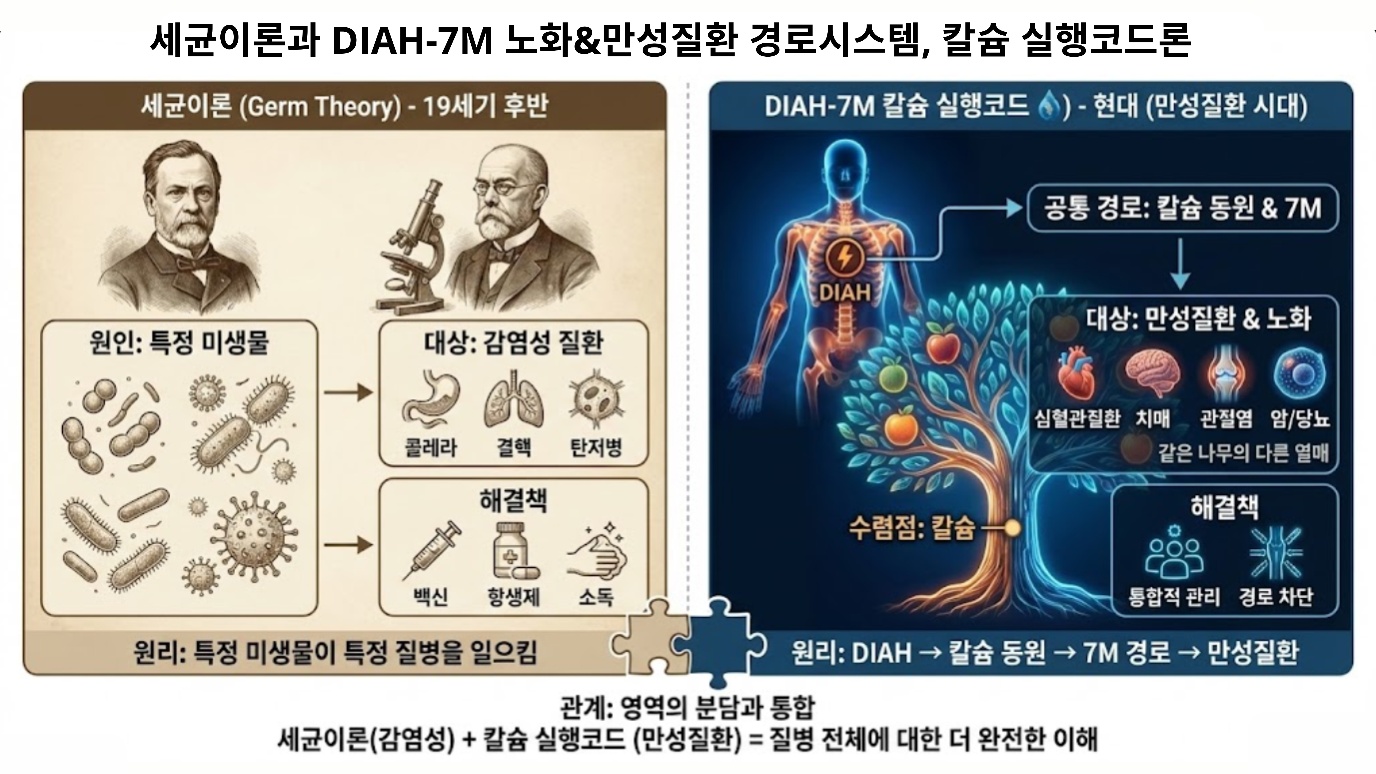
What the calcium execution code adds is the common pathway of aging and chronic disease. It is that the triggering factor called DIAH mobilizes calcium from the bones, and the mobilized calcium causes various chronic diseases through the 7M pathways. Cardiovascular disease, diabetes, arthritis, and dementia appear to be different diseases arising in different organs, but seen from the viewpoint of DIAH-7M they are different fruits of the same tree. The causes are various but the pathways converge, and the point of convergence is calcium.
The relationship between germ theory and the calcium execution code is a division of domains. If germ theory explained infectious diseases in an integrated way, the calcium execution code is an attempt to explain aging and chronic disease in an integrated way. If germ theory presented the principle that "a specific microorganism causes a specific disease," the calcium execution code presents the principle that "DIAH causes calcium mobilization, and the mobilized calcium causes aging and chronic disease through the 7M pathways." The two theories explain different types of disease, and when they are together a more complete understanding of disease as a whole becomes possible.
Comparison with Newton's Mechanics
In 1687, Isaac Newton published the Principia and presented the law of universal gravitation. It was that the phenomenon of an apple falling and the phenomenon of the moon orbiting the Earth can be explained by the same principle. Terrestrial physics and celestial physics were integrated into one. This discovery was the summit of the Scientific Revolution, and for hundreds of years afterward it became the foundation of physics.
What Newton did not deal with is the internal mechanics of life. Universal gravitation explains the force by which objects attract one another, but it does not deal with the processes that occur within a living organism. Life follows physical laws, but life cannot be explained by physical laws alone.
What the calcium execution code attempts is to attempt in the world of life an integration similar to what Newton did in the world of physics. If Newton integrated the terrestrial and the celestial by the single principle of gravity, the calcium execution code connects the human body and the Earth by the single principle of the calcium cycle. It is that the pattern of calcium cycling among bone and blood and cell in the human body and the pattern of calcium cycling among rock and river and sea and living things on the Earth are structurally identical although different in scale. This is the correspondence of the small cosmos and the great cosmos examined in Chapter 9.
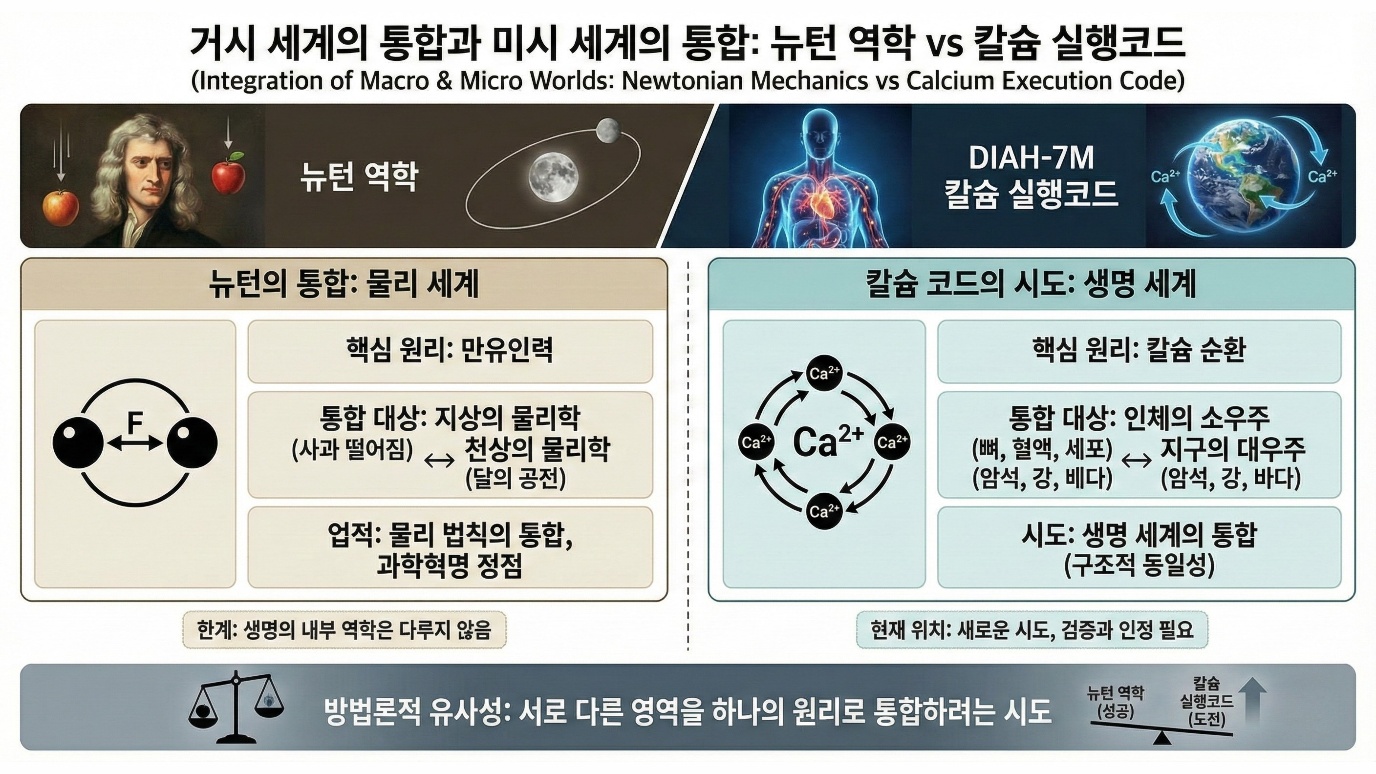
The comparison of Newton and the calcium execution code concerns a methodological similarity. Both try to show that phenomena occurring in different domains can be explained by the same principle. Newton succeeded in this integration in the world of physics, and the calcium execution code attempts this integration in the world of life. Of course, placing Newton's achievement and the calcium execution code on the same rank is a hasty thing, and for the calcium execution code to receive the same level of verification and recognition as Newtonian mechanics there is still a long way to go.
Coexistence with Existing Theories
The calcium execution code is not an attempt to negate existing theories but an attempt to integrate them. Let me explain this point using theories of aging as an example.
At present there are several theories about aging. The genetic damage theory explains that as time passes damage accumulates in DNA and cell function declines. The telomere shortening theory explains that each time a cell divides the telomeres at the ends of the chromosomes shorten and eventually cell division stops.
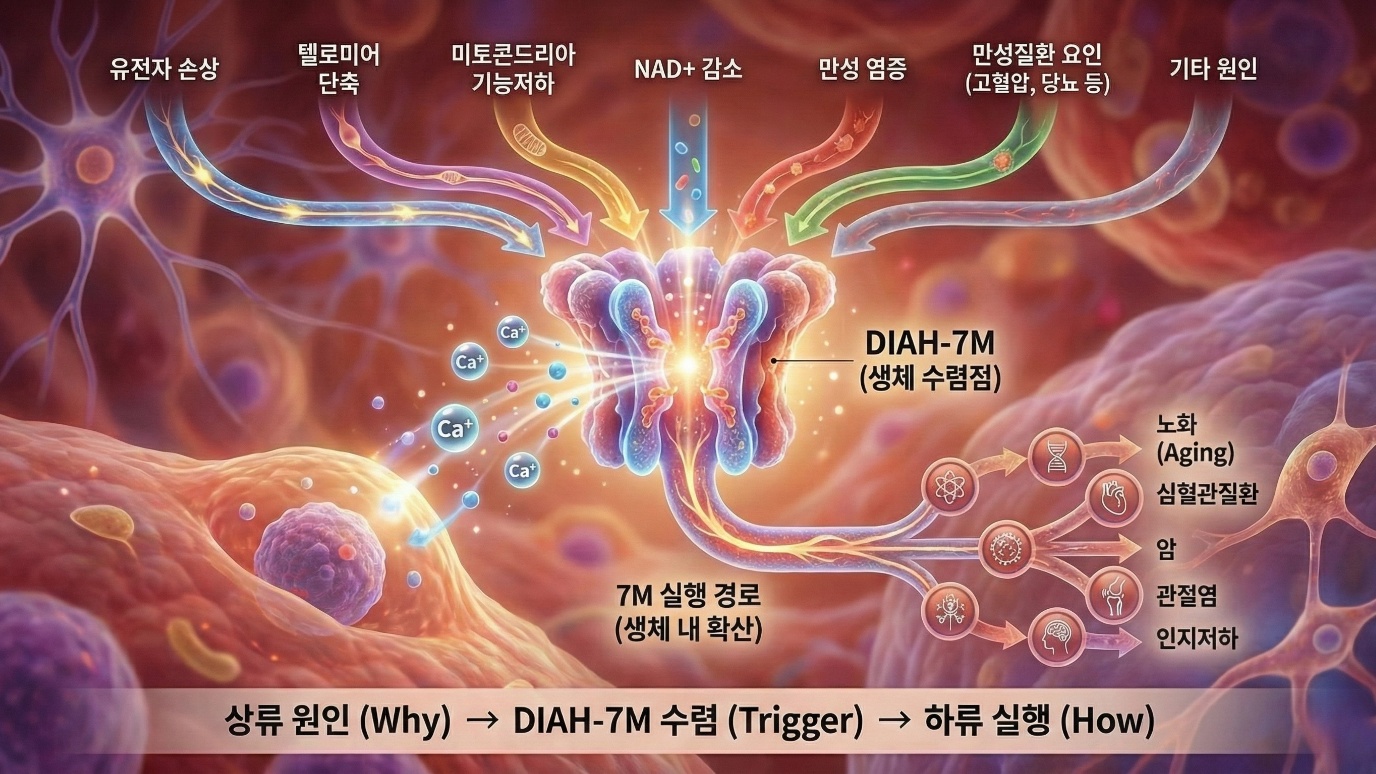
The mitochondrial dysfunction theory explains that as the mitochondria, the cell's energy factory, age, reactive oxygen species increase and energy production decreases. The NAD+ decline theory explains that NAD+, essential to cellular metabolism, decreases with age. The inflammaging theory explains that chronic low-grade inflammation promotes aging. According to several aging research institutions, these theories are each supported by considerable evidence, and it is not that one is wrong and another is right; rather, they all explain some aspect of aging.
In what relationship does the calcium execution code stand with these theories? What the calcium execution code proposes is the downstream pathway of how the upstream causes that these theories explain converge into actual pathology. Whether it is genetic damage, telomere shortening, mitochondrial dysfunction, NAD+ decline, or chronic inflammation, all of these in the end worsen the DIAH conditions, and when the DIAH conditions worsen calcium is mobilized from the bones, and the mobilized calcium executes aging and disease through the 7M pathways. If the existing theories explain "why aging begins," the calcium execution code explains "how aging appears." It is the relationship of upstream and downstream, of cause and pathway.
This kind of relationship applies to chronic disease as well. Known risk factors for cardiovascular disease are various, such as hypertension, high cholesterol, diabetes, obesity, smoking, and lack of exercise. Known causes of diabetes are also various, such as heredity, obesity, lack of exercise, and eating habits. The calcium execution code explains how these various causes converge into a single disease. The causes are various but the pathways converge, and the point of convergence is DIAH-7M.
The Foundation of Verification
A scientific theory is built upon verified facts. The calcium execution code did not invent new facts; it connected, along a single axis, facts already verified in each field.
That the fertilized egg begins life with a calcium wave is an established fact in reproductive biology. That the calcium signal directs cell differentiation in embryonic development is an established fact in developmental biology. That the skeleton is a calcium reservoir and a structural material is an established fact in anatomy. That neurotransmission and muscle contraction depend on calcium ions is an established fact in physiology.
That there is an inverse correlation between bone density and vascular calcification is an established fact in epidemiological research. That apoptosis is triggered by calcium overload is an established fact in cell biology. That the calcium of a dead organism goes back to the ecosystem and becomes the material of the next life is an established fact in ecology.
What the calcium execution code did is to connect these scattered facts on a single timeline. If DNA is the blueprint of life, calcium is the executor that runs that blueprint. The individual facts had already been verified, and the calcium execution code found the thread that strings them together.
The Most Important Question for Humanity
Among scientific discoveries, what is the most important for humanity? A discovery that broadened the understanding of life itself has a special meaning. This is because the questions of where we came from, how we are born, how we grow, why we age, why we fall ill, why we die, and what becomes of us after death are fundamental questions that humanity has long asked.
Darwin's natural selection explained why living things are diverse and adapted to their environment. The discovery of DNA revealed what is transmitted across generations. But DNA is only a blueprint. For a blueprint to actually be executed an executor is needed. The calcium execution code reveals what that executor is.
Birth begins with a calcium wave. Development proceeds under the direction of the calcium signal. Growth is accompanied by the accumulation of calcium. A mature organism transmits nerve signals, moves muscles, and secretes hormones through calcium. Aging is accompanied by the redistribution of calcium. Chronic disease arises as the redistributed calcium piles up in the wrong places. Death appears as the collapse of calcium balance. After death calcium goes back to the ecosystem and becomes the material of the next life. The calcium execution code reads all of these stages as a single connected flow.
The Things Already Uncovered
Each stage that composes the calcium execution code consists of facts already established in the relevant field.
In reproductive biology it is established that when a sperm reaches an egg a calcium wave arises and life begins. In developmental biology it is established that the calcium signal regulates gene expression and directs cell differentiation. In evolutionary biology it is established that the Cambrian explosion occurred simultaneously with a rise in ocean calcium concentration and that animals with skeletons appeared at that time. In physiology it is established that neurotransmission, muscle contraction, and hormone secretion all depend on calcium ions.
In pathology it is established that aging and chronic disease are connected to the redistribution of calcium, that is, its movement from bone to soft tissue. In epidemiological research it is established that coronary artery calcification is found more commonly in osteoporosis patients. In clinical research it is established that an intervention that reduces chronic inflammation is simultaneously effective for cardiovascular disease, diabetes, arthritis, and cognitive decline. In cell biology it is established that apoptosis is triggered by calcium overload. In ecology it is established that calcium cycles through the ecosystem and connects the living and the nonliving.
What the calcium execution code attempted is to connect these established facts on the single timeline of the life cycle, to compress the common pathway of aging and chronic disease into the concept of DIAH-7M, and to place the calcium cycles of the human body and the Earth in parallel to show that they are the same pattern. The foundations had already been laid, and the calcium execution code built the bridge connecting those foundations.
Future Directions of Research
Since the essential structure has been revealed, it is now the turn of researchers in each field to fill in the detailed areas.
Evolutionary biologists can explore more deeply how calcium shaped the direction of evolution. The appearance of the skeleton in the Cambrian explosion, the change in calcium metabolism in the advance onto land, and the evolution of a calcium delivery system through the placenta and lactation in the appearance of mammals can be illuminated from a new viewpoint.
Developmental biologists can more precisely elucidate how the calcium signal regulates gene expression and how the blueprint of DNA is realized through the executor called calcium.
Paleontologists can reconstruct the physiology and ecology of past organisms through the traces of calcium left in fossils. Geologists can explore how changes in the calcium cycle in Earth's history were linked with the evolution of life.
Ecologists can study more systematically how calcium cycles in the ecosystem and connects the living and the nonliving, and what influence the calcium cycles of soil and ocean have on the health of the ecosystem.
Epidemiological researchers can use the DIAH-7M framework to trace more precisely the links among chronic diseases. From the viewpoint that osteoporosis, arteriosclerosis, diabetes, dementia, and so on, which had been studied separately, share a common pathway, new epidemiological patterns can be discovered.
Clinical researchers can systematically confirm whether an intervention that corrects the DIAH triggers is simultaneously effective for several chronic diseases. Moving beyond single-disease-centered clinical trials, a new clinical trial design that targets the common pathway becomes possible.
Basic medicine researchers can elucidate in greater detail the molecular mechanisms of each of the 7M pathways. Research revealing under what conditions which pathway is activated, what the interactions among the pathways are, and what the genetic and environmental factors that determine individual differences are can be actively carried out.
Nutrition researchers can study more precisely the interactions of related nutrients such as magnesium, vitamin D, and vitamin K2 with calcium at the center. A nutritional strategy for maintaining optimal calcium metabolism can be made more concrete.
Aging researchers can newly illuminate aging from the viewpoint of calcium redistribution. Slowing or reversing the movement of calcium from bone to soft tissue can become a core strategy for slowing aging.
Conclusion: The Beginning of a New Chapter
In the nineteenth century, Darwin explained with natural selection why life changes. In the twentieth century, Watson and Crick revealed with DNA how life is designed. This book explains with calcium how that design is executed. DIAH-7M is an integrated framework in which aging and chronic disease begin when this execution code, having passed through the period of birth and the period of growth, reverses from the period of flourishing to the period of decline.
From birth to death, from the cell to the Earth, a structure that runs through with a single substance has been revealed. Nature has already been moving this way from billions of years ago. Science has observed those fragments separately. This book connected them along a single axis, the axis of calcium.
It is now the turn of researchers in each field to conduct detailed research upon this framework and to elucidate more precisely, each in their own domain, the way the calcium execution code operates. From evolutionary biology to medicine, from paleontology to nutrition, I hope that more detailed pathways will be drawn upon the map this book has presented and that they will develop into results that help actual patients. That you, the readers, apply this viewpoint in your own fields: that is the beginning of a new chapter.
References
1. Darwin, C. (1859). On the Origin of Species by Means of Natural Selection. John Murray.
2. Watson, J. D., & Crick, F. H. (1953). Molecular structure of nucleic acids. Nature, 171(4356), 737-738. doi:10.1038/171737a0
3. Kuhn, T. S. (1962). The Structure of Scientific Revolutions. University of Chicago Press.
4. Popper, K. (1959). The Logic of Scientific Discovery. Routledge.
5. Berridge, M. J., Bootman, M. D., & Roderick, H. L. (2003). Calcium signalling: dynamics, homeostasis and remodelling. Nature Reviews Molecular Cell Biology, 4(7), 517-529. doi:10.1038/nrm1155
6. Carafoli, E., & Krebs, J. (2016). Why Calcium? How Calcium Became the Best Communicator. Journal of Biological Chemistry, 291(40), 20849-20857. doi:10.1074/jbc.R116.735894
7. Case, R. M., et al. (2007). Evolution of calcium homeostasis: from birth of the first cell to an omnipresent signalling system. Cell Calcium, 42(4-5), 345-350. doi:10.1016/j.ceca.2007.02.001
8. Demer, L. L., & Tintut, Y. (2008). Vascular calcification: pathobiology of a multifaceted disease. Circulation, 117(22), 2938-2948. doi:10.1161/CIRCULATIONAHA.107.743161
9. Thompson, B., & Bhalla, U. S. (2015). The bone-vascular axis in chronic kidney disease. Current Opinion in Nephrology and Hypertension, 24(4), 316-322. doi:10.1097/MNH.0000000000000134
10. Whitaker, M. (2006). Calcium at fertilization and in early development. Physiological Reviews, 86(1), 25-88. doi:10.1152/physrev.00023.2005
11. Berner, R. A. (2004). The Phanerozoic Carbon Cycle: CO₂ and O₂. Oxford University Press. doi:10.1093/oso/9780195173338.001.0001
12. Lenton, T. M., & Watson, A. J. (2011). Revolutions that Made the Earth. Oxford University Press. doi:10.1093/acprof:oso/9780199587049.001.0001